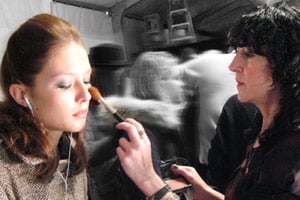
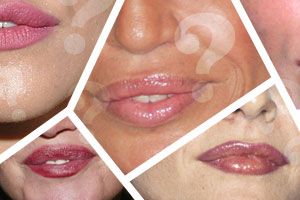
Is an "imperfect" facial feature messing with your confidence? Believe it or not, sometimes what can be done with a knife or needle can also be done with a brush or wedge sponge -- and a trick called contouring. Follow these makeup artist-approved tips on giving yourself a temporary makeover without looking like you're trying too hard. (Bonus: No downtime!)
By
Emily Kate Warren
Choose the Right Colors The concept behind contouring is simple: Dark shadow colors push things in, while light highlight colors pull things out. Before you begin, no matter your skin tone, remember to use cream or powder formulas in colors that are only one to two shades lighter or darker than your natural skin color. Darker shades should be in the brown or gray family while lighter shades should be in hues of bone or shell. You can use pretty much any matte type of makeup including bronzer, face powder, concealer -- even eyeshadow. (Try Make Up For Ever Eyeshadow , $18 , available in darker Earth 13 or lighter Beige 76.) How to Highlight Examine the feature in question in the mirror. If it's a feature that creates a shadow on its own -- like a bump on your nose or deep smile lines -- you'll want to apply your highlight color in the darkest areas. The key is to only apply the highlight color in the dark area. Applying it elsewhere can make the shadow look more noticeable by making the skin around it look brighter and more prominent. Tip: Don't highlight in the wrong place, such as on the edges of the shadowed area. This can make your "imperfection" look worse. How to Shadow If the feature that bugs you does not create a shadow but you wish it would, grab your shadow color. Modestly load a medium-sized eyeshadow brush if you're using powder (try MAC 224 Tapered Blending Brush , $28 ), or wedge sponge if you've chosen a cream. Then apply the color to the fullest part of your feature, where you wish the shadow would appear. For example, if you have round cheeks and you want cheekbones that will put Keira Knightley's to shame, suck in your cheeks a bit and feel for your bone. Next: How to Shadow, Pt. 2 How to Shadow, Pt. 2 Starting near your ear, right overtop your jaw joint, drag your brush or sponge along the area just below your cheekbone, making a faint, 45-degree-angle line toward your nose. Stop about two fingers width from your nostril. Now, blend the line downward until it looks just like a natural shadow. And remember, less is more. If you overload your brush or sponge, your shadow could wind up looking like a bruise! Give Yourself a Nose Job Want to slim down a bulbous nose? Load your brush or sponge with your shadow color, then, starting at the top left side of the bulb of your nose, create a faint vertical line going through the roundest part of edge of the bulb. The line should taper off into the crease of your nostril. Next: Give Yourself a Nose Job, Pt. 2 Give Yourself a Nose Job, Pt. 2 Now, do the same to the right side of the bulb. The space between the lines should be parallel and the same width as the rest of your nose. Blend the color out and over your nostrils to make the roundest parts of the bulb of your nose disappear. This will give the illusion that your nose is the same width from top to bottom. Disguise Your Work Each of these scenarios should take no longer than thirty seconds to perfect -- any longer and your work could start looking obvious. Whether you choose powder or cream for your highlight or shadow colors, always give your final look a light dusting of your usual face powder to set and disguise any faint lines which might appear. (Try Sally Hansen Cornsilk Classic Translucent Naturally Sheer Loose Powder , $5.49 .) Then go ahead with the rest of your everyday makeup routine. Look as Good as the Victoria's Secret Models Makeup Tricks That Erase 10 Years Quiz: Is Your Eye Cream a Rip-Off? Subject Subject Subject Message Message Message http://www.google.com /content/package/c_plastic_surgery_makeover/