I'm a sucker for pretty packaging. It's one of the things that drive me to purchase a chubby, adorable lip balm when I'm browsing the skin care aisle at CVS. And I'm not alone.
You know the feeling: You wake up one day, look in the mirror and -- wham! -- the signs of aging are suddenly everywhere. Those fine lines around your eyes. The loose skin along your jawline. The dark spots on your cheeks -- and even on your hands. Before this moment, you spent more time picking out nail polish colors than thinking about an anti-aging skin care regimen. Oh, sure, you moisturize and wear sunscreen. But at a certain point in your skin's aging process, your minimalist approach isn't enough. And it shows.
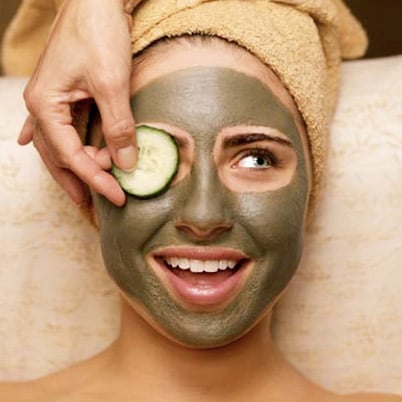
If you think that face masks are nonessential, luxurious treats for your skin, you're about to get schooled. According to celebrity aesthetician Sonya Dakar, a face mask is "an integral part of a regular skin care regimen." Whether you're looking to fill out fine lines, rehydrate parched skin or detox congested pores, face masks are the secret weapon that takes your results to a new level, explains Dakar.
We talk about wrinkles all the time. And we cover pigmentation almost as much. But saggy, loose skin often gets neglected (both literally and figuratively). And that's because — until recently — there weren't many skin-tightening serums available.
From the Botox-addicted Desperate Housewives to the celebs who will try any and every anti-aging treatment (yes, you, Gwyneth Paltrow and Jennifer Aniston), in the past several years many have turned to yoga to for a little help turning back the clock — and we're not just talking the kind that involves downward-facing dog.
Beauty editor confession: I'm a huge skeptic when it comes to beauty products. Why? I've been duped too many times by the lure of pretty packaging and over-the-top claims. It's an unfortunate fact that sometimes labels exaggerate. I've never met a foundation that truly lasts 24 hours, a zit-zapper that gets rid of pimples overnight or a split-ends salve that magically repairs damaged strands.
What comes first? Forget the chicken and the egg, we're talking about our skin care products, like serum, moisturizer, face oil and sunscreen. A cabinet full of products to keep you blemish-, wrinkle- and sun spot-free means nothing if you don't know in what order to apply them. Instead of slapping them on and crossing our fingers, we conducted a skin care nerd-out session with board certified dermatologists Dendy Engelman, M.D., and Craig Kraffert, M.D., who is also the president of Korean skincare line Amarté. We grilled them to find out which products should be applied first, last and everywhere in between so that they can perform exactly as they're supposed to. Here, these derms school us in the exhaustive process of layering skin care.
It's happened to all of us: That one fateful morning when you wake up, catch yourself in the mirror and notice a pair of crow's feet -- those telltale wrinkles that branch out from the corners of your eyes. Welp, it finally happened, you say to yourself, deciding whether to accept your crinkly lines or start obsessively Googling how to get rid of crow's feet.
I think about pollution every day. I really think about it when I run outside (which I do three or four mornings a week). Next to a highway. In Manhattan. While I'm diligent about applying an antioxidant serum and sunscreen before I run (even if it's cloudy in the middle of February), according to a recent study published in the "Journal of Investigative Dermatology," that's not enough. Pollution is giving me wrinkles.
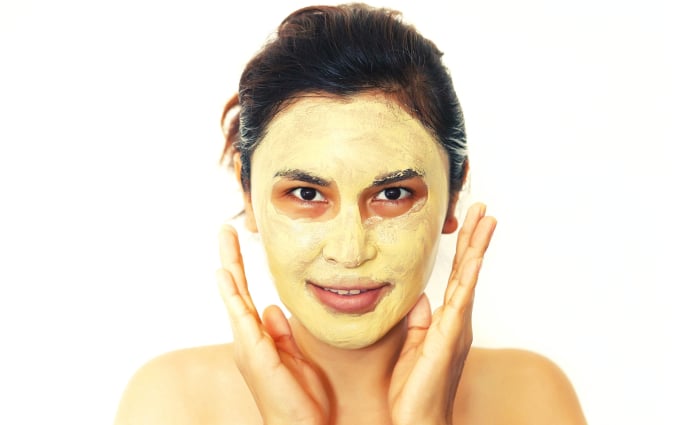
You know a skin care ingredient has star power when beauty products start including it in the name, rather than just the ingredient list. Such is the Cinderella story of turmeric, an ingredient long used in Ayurvedic medicine for its anti-inflammatory properties, but little utilized in Western skin treatments until recently. It's popping up in high-end, luxe-feeling beauty products like Kiehl's Turmeric & Cranberry Seed Energizing Radiance Exfoliant Mask, Skin Authority Beauty Infusion Turmeric & Blueberry for Brightening and Juara Turmeric Antioxidant Radiance Mask.
Wondering how to get rid of acne scars? We feel you, girl. Though the lifespan of a pimple is usually about three days, acne scars can last for weeks, months -- or even years. The good news is that there are acne scar treatments and skin-care technologies that can obliterate hyperpigmentation and retexturize skin to make acne scars a thing of the past.
You know those stories about the latest, greatest breakthroughs and research into anti-aging -- the ones that make you feel like you need a masters degree in chemistry, biology and dermatology to understand? This isn't one of them. Because creating an amazing anti-aging skin care regimen isn't about knowing every nuance behind the science of anti-aging. It's about distilling all of the research and how-to tips out there into a plan that suits you -- a plan that fits your life and your unique skin care needs.
Alpha hydroxy acids and beta hydroxy acids are the workhorses of your skin care routine. They exfoliate dull skin and fade imperfections, minus scratchy microbeads. Pretty much everyone can benefit from having acid in her routines -- but you shouldn't pick just any ol' AHA cleanser. If you wanna get nerdy about it, the various alpha hydroxy acids and beta hydroxy acids (like salicylic acid, glycolic acid, lactic acid and malic acid) work differently on a molecular level, and choosing which one to use can make or break your skin. We asked Dr. Elizabeth Tanzi, M.D., a Washington, D.C.-based dermatologist, to decode some of the most common AHAs and BHAs and tell which one you should be using.
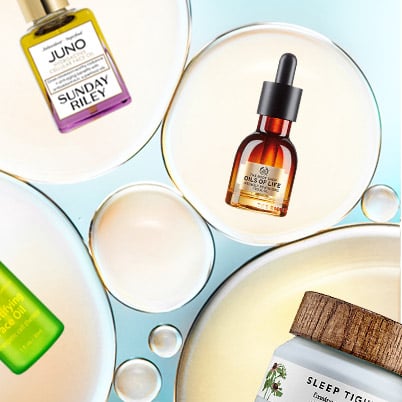
We sometimes look a little crazy in our quest to reduce fine lines and wrinkles. (Be honest: How many times have you scared your husband wearing a sheet mask?) The latest trend in anti-aging is a little less Hannibal Lector and a lot more subtle: anti-aging face oils. While face oils have been around for a while, the latest crop promises to provide more than superior hydration. Namely, they promise to diminish fine lines and wrinkles, firm your skin and generally make you look so glowy and youthful you could be mistaken for a member of Taylor Swift's squad.
You know all about antioxidants. Wearing one every day is almost as important as applying SPF. Antioxidants protect your skin from free-radical damage by scooping up wayward electrons that would otherwise attack your cells (and result in the breakdown of collagen and elastin, which leads to wrinkles and sagging). But that's old news.
If a facial peel still makes you think of that "SATC" episode where Samantha has to hide her red, blistering face behind a veil, it's time to reconsider. Most new peels have minimal downtime, and there are even at-home peel pads that make skin look instantly better.
Dealing with acne as an adult is like a cruel joke. Shouldn't acne be something you leave in your past, along with scrunchies and bad taste in boys? And I'm not talking about the monthly hormonal zit or two. I see bright red pimples and inflamed cysts all over my face, all year round.
If you've ever set foot in a tanning salon, you've heard the hard sell. They push "tan accelerators" costing up to $90 a pop, a package of tans so your "glow doesn't go," and the promise that tanning beds are a "smarter" choice than baking out at the beach.