We all have that one (or two, or three...) product in our vanity that's been left sitting unused for months. It's unfortunate, but skin care products don't always work as promised and even the most hyped product can sometimes cause breakouts or irritated skin. But no one likes wasting skin care — or money — so why not repurpose it? If the product can be used on your face, it can definitely be used on other parts of your body. Here are five ways to give new life to your unused skin care products.
If you're going to shell out the bucks for eye cream, you'll want one that will have visible results — and for that, you should turn to retinol. "Retinol is the tried-and-true collagen builder in the skin," says board-certified dermatologist Dr. Mona Gohara. "It's the foreperson at the collagen construction site." And since the skin in your eye area is thinner and more vulnerable to the steady march of time, collagen (and by extension, retinol) is of the essence. "Retinol is a perfect anti-aging booster," she says.
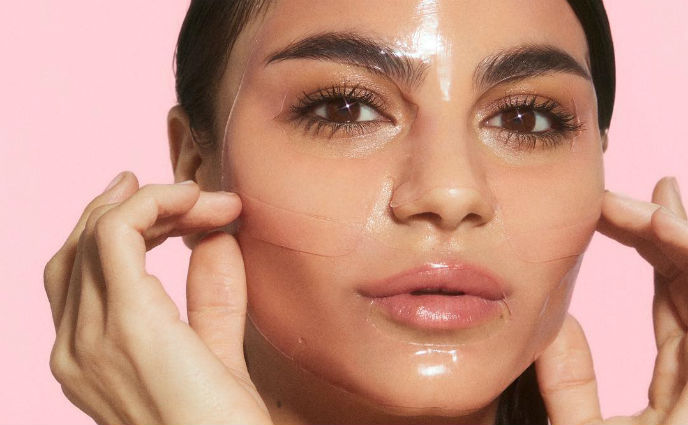
Have you tried a hydrogel mask before? Instead of being made with cotton or paper, it's a sheet mask made of gel, often bio-cellulose. While this makes the application process a little tricky and a bit slippery, the benefits are manifold. The gel texture tends to have a cooling, soothing feel, adding a refreshing burst of hydration to your routine. Plus, it really sticks to your face, resulting in less slipping and sliding around.
Ultimately, beauty products are about results. Of course, we're more inclined to use a complexion-perfecting product if it's fun to use. We will grit our teeth and use uncomfortable and sometimes downright painful things in the name of clearer, brighter, dewier skin, but the winning products are ones where we love the full treatment as much as the results. A peel-off mask is the perfect example of a product that is addictive to use and makes a difference.
Fall is here, and that means it's apple-picking season! One of the most popular autumn fruits is most definitely the apple and we know we can't wait to bake apple pies and sip apple cider all fall long. But did you know that beyond being delicious, apples have some serious skin care benefits? According to a study published in the journal Oxidative Medicine and Cellular Longevity, apples are high in antioxidants, including ascorbic acid (more commonly known as vitamin C) and polyphenols, making it an anti-aging powerhouse. Another study published in the journal Future Science OA even found that apple stem cells can help reduce the appearance of wrinkles.
Your skin care routine probably has about 10 steps by now... but do any of them include your lips? These days, there are more fancy products designed specifically for your lips than ever before — so it may just be time to pamper your pout, whether that means indulging in an overnight lip mask, a soothing hydrogel patch or even a high-tech, collagen-packed serum.
If you're interested in skin care, chances are the term "ceramides" is somewhat familiar. Perhaps you've heard that they're great for repairing distressed skin and keeping the moisture barrier supported. But what exactly are they? And what is it about them that makes them so good for you?
If you use rough face scrubs to slough off dead skin cells, you may want to stop. Not only is your cleanser possibly harming marine life, but it could be seriously damaging your skin. But that's not to say that you should skip exfoliation — it's a critical part of your skin care routine.
The sand in our beach bag and leftover rosé in the fridge aren't the only reminders of what a glorious summer it's been. Even if you've been super diligent about applying SPF, the sad truth is that the past few months of fun in the sun may have very well taken a toll on your skin—we're talking spots, dark marks and otherwise annoying complexion imperfections. So as the seasons change, give your skin a reset with these nine skin brightening products, perfect for undoing summer damage. (Just remember, keep using your sunscreen!)
Have you heard of cupuacu? The hard-to-name ingredient (pronounced coo-poo-wah-soo) comes from the fruit of an Amazon-dwelling tree. A relative of cacao, cupuacu produces a pod containing delicious pulp and seeds. The fruit, reminiscent of chocolate and pineapple, is used in a variety of South American delicacies, while the seeds are used to extract cupuacu butter and oil.
I’ve never been much of a facial person. Give me an hour and a $100 to spend at a spa and I’d be hard-pressed not to book a massage over what often feels like a glorified face washing. (I also have less-than-stellar skin, though, so make of that what you will.)
I want to start by saying that I am one of the biggest cheese and ice cream aficionados you will ever meet. I start my day every day with coffee that has half and half in it and I eat various other dairy-based foods throughout the day. Being someone who struggles with oily and acne-prone skin, I've always heard about the correlation between consuming dairy and acne. I recently attended an acne conference with the brand, La Roche Posay, hosted by Dr. Annie Chu, a cosmetic dermatologist that often works with patients who have acne. Chu talked about many factors that cause acne — food being one of them. She advises her patients to give up a food for at least two weeks to help determine if it is causing the breakouts.
We all know sunscreen is essential when it comes to sun protection, but it’s far from the only method dermatologists recommend. The sun’s rays are strong and affect more than just your skin, but also your eyes and hair. For this reason, dermatologists don’t mess around when it comes to packing up for a day spent at the beach or poolside. They turn to an array of products for protection, including UPF clothing, umbrellas and tents, protective eyewear and SPF-containing beauty products such as lip glosses, balms, hairsprays and spritzes. To get a true peek at the specific items and brands they rely on for ultimate sun protection, we asked 13 dermatologists to share the beach bag necessities they can’t live without.
True K-beauty addicts live and die by their multistep regimens, but there's been a concerted effort lately to narrow down the routine to make it more feasible for those of us who can't sacrifice an hour each night to complete the series. But there's one step you should keep in rotation: packs (aka multitasking masks).
Toner has long gotten a bad rap as an unnecessary step that leaves skin parched and overstripped — but that's far from the case these days. Now, it's all about hydrating toners that actually add moisture to the skin while balancing the complexion.
Oenophiles rejoice, August 28 is National Red Wine Day! Let's raise a glass — of Cab, Pinot, Zinfandel, Malbec — or whatever wine tickles your fancy. Like other fermented products, wine is chock-full of heart-healthy antioxidants (in moderation of course) as well as resveratrol, a polyphenol found in the grape skins that helps protect the fruit from illness or injury. Resveratrol (when ingested) can lower blood pressure as well as help to lower one's risk of developing heart disease or cancer — it has an anti-aging and anti-pollution effect when used topically in skincare. (Like we needed another excuse to enjoy a glass of wine!)
You’ve heard of pouring beer (or rosé!) on your hair for shinier locks and soaking in wine baths for ultra-nourished skin, but what about incorporating champagne into your beauty routine? It turns out that a little bubbly is not just fun to sip, but it's also good for your skin and hair. Bella Schneider, an esthetician and the founder of Bella Schneider Beauty and the LaBelle Day Spas & Salons, explains.
Taking care of your skin is more than just a routine now, it's a ritual. An effective skin care routine consists of more than just using a good cleanser and slapping on some moisturizer. Now, it's all about finding products that nourish skin while also helping us feel relaxed and pampered. To that end, there's nothing more luxurious than using a face oil to cap off our nightly routine.
As beauty editors, we're privy to a lot of new products. And you know what? Out of all the exciting launches of the moment, face masks are kind of winning the game. They've been amazing across the board — whether you're looking for clay masks, sleeping masks, or even in-shower masks. (Heck, there have been so many amazing picks out there, that we're making a whole separate post for all the great sheet masks).
Skin care and cosmetic brands are all going organic these days — in fact, many of the most popular products of the moment are natural. Of course, we're all for the move towards natural products in general, but here's the thing: it can be somewhat misleading. Just because something's labeled "natural" doesn't automatically mean it's safe for you. You still have to check whether the product has potential irritants that can cause your skin to react adversely. And since every skin type is different, some ingredients may be more tolerable to you than others.